
As Europe’s energy landscape undergoes a profound transformation, the need for resilient, flexible and increasingly digital infrastructure is becoming a strategic priority. Electrification, the expansion of renewable energy and rising electricity demand are reshaping the sector, creating both new challenges and significant opportunities for companies with the expertise to deliver complex infrastructure.
For Electromontaj, this changing environment is opening a new chapter of growth, built around innovation, digitalisation, AI and international expansion. With more than 200 projects underway across Romania and international markets, the company is involved in critical developments ranging from the modernisation of the Vidraru hydropower plant to major transmission grid and railway electrification projects.
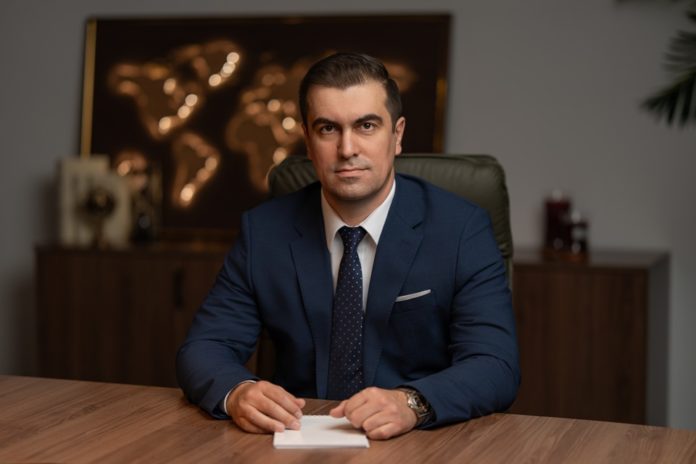
In this interview with The Diplomat-Bucharest, Ionuț Tănăsoaica, CEO of Electromontaj, discusses the company’s strategic priorities for the years ahead, the evolution of Romania’s energy infrastructure, emerging opportunities in sectors such as nuclear energy, and the importance of combining decades of engineering expertise with new technologies and international ambitions.
What are Electromontaj’s strategic priorities for the next 3 to 5 years, both in Romania and internationally?
Our priorities for the next three to five years are built around three interconnected directions: technology and AI, innovation, and international expansion.
First, we see it as a priority to integrate AI into our industry, services, and products. The energy sector is entering a period of profound transformation. As industrial electrification and the development of data centres accelerate, energy infrastructure must be designed, monitored, and operated differently. This is precisely where we see the role of technology and AI.
This leads naturally to our second priority: innovation as a principle embedded in everything we do. In recent years, we have accelerated innovation across our operations, from processes and technologies to materials and the way we approach projects. For us, innovation means finding better, safer, more efficient and more sustainable ways of building the infrastructure required for the future.
The third major direction is international expansion. Electromontaj has strong technical capabilities, accumulated over decades of experience, and we believe that Romanian engineering and technical expertise can compete successfully on international markets. Our international presence started long ago—we have been active outside Romania for many years, but we see significant room for further growth.
We have the knowledge, specialised workforce, project experience and operational capacity to take on increasingly complex international projects. Carrying the Romanian engineering expertise abroad can be a very compelling proposition when backed by proven expertise and performance.
Electromontaj is currently managing over 200 projects. Which of these would you highlight as flagship initiatives, and why?
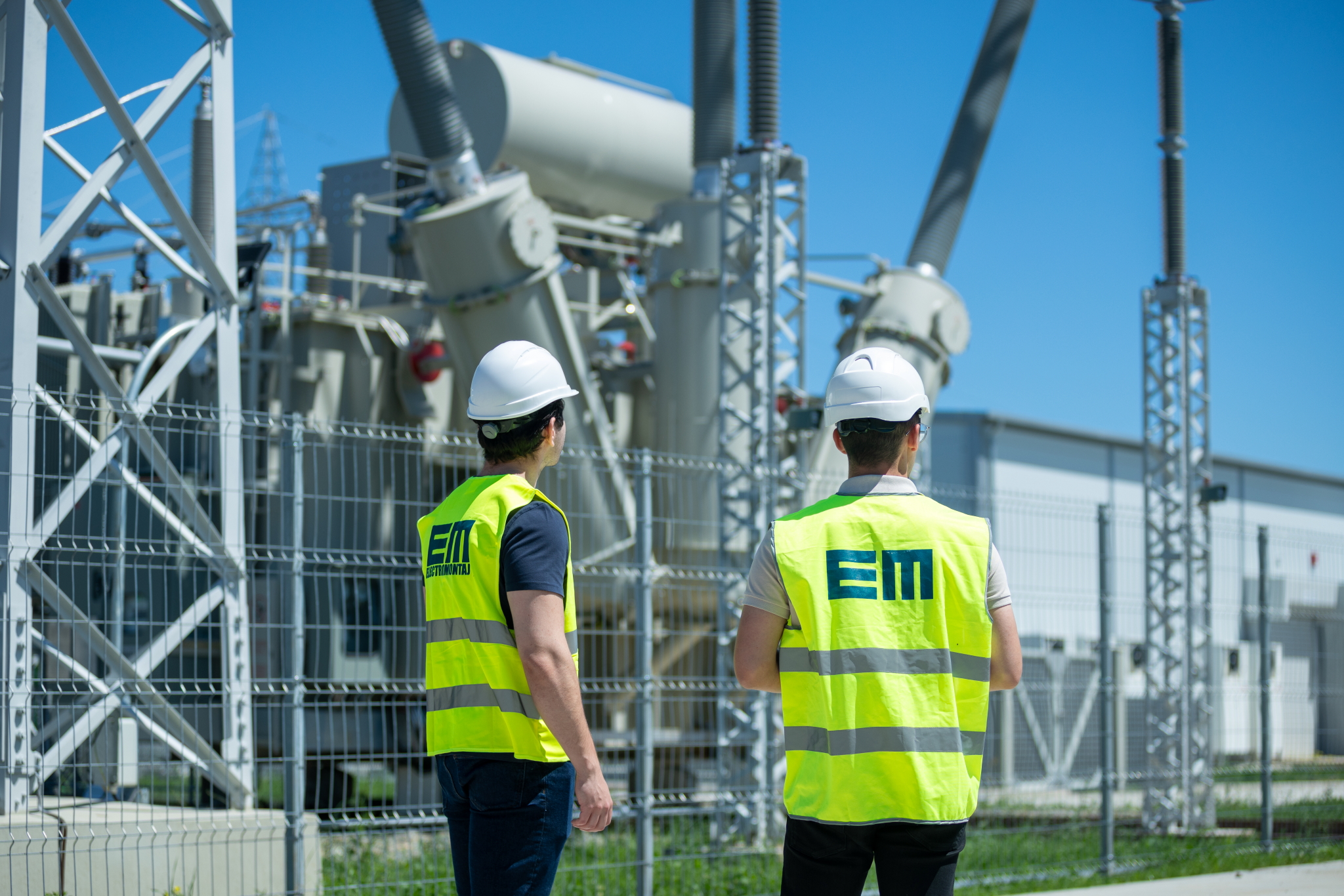
There are many projects at Electromontaj that we are proud of, for different reasons. Some have a direct and lasting impact on local communities. Others stand out for their innovation, complexity, the demanding conditions in which they are delivered, or the challenges our teams have overcome along the way.
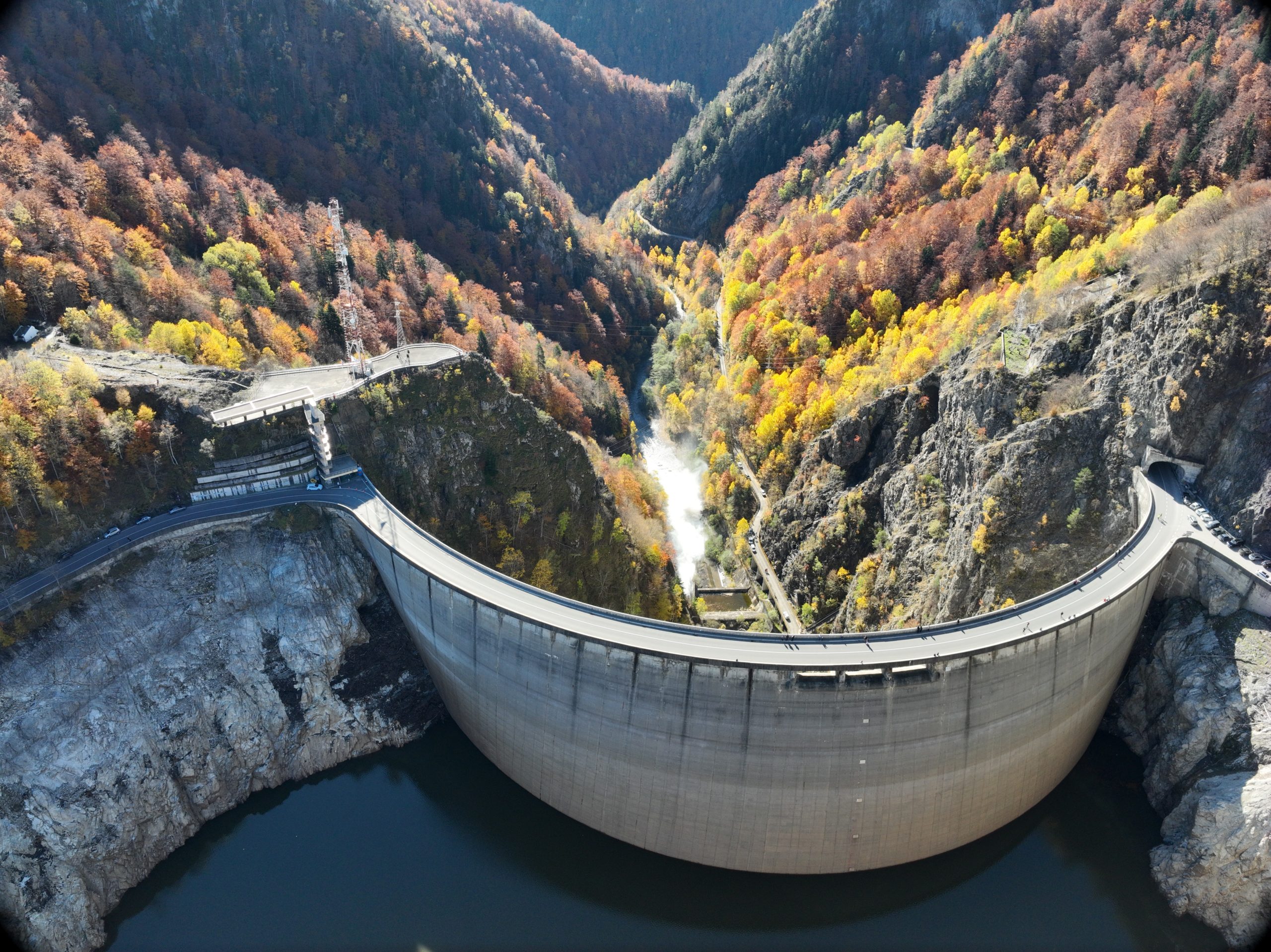
Vidraru is one of the most important hydropower plants in Romania and a key asset for the national energy system. The modernisation project, awarded to Electromontaj in partnership with Končar Elektroindustrija and implemented for Hidroelectrica, is a major undertaking that will extend the life of the plant and improve its performance, safety and operational flexibility. The project involves modernising the plant’s main equipment and systems, rehabilitating key parts of the water infrastructure and introducing a new automated control system.
The STATCOM project is another important milestone. Implemented for Transelectrica in partnership with Siemens Energy, it introduced a new generation of grid-stabilisation technology to Romania’s transmission network, with the first two installations of their kind in the country. Completed ahead of the contractual deadline, the project strengthens the resilience and flexibility of the transmission grid by enabling it to respond more effectively to changes in electricity flows and voltage levels. This capability is increasingly important as Romania integrates growing volumes of renewable energy into the grid.
These two projects are part of a broader portfolio of more than 200 ongoing projects, spanning high-voltage transmission infrastructure, substations, railway electrification, irrigation, renewable energy and grid reinforcement, both in Romania and abroad. Among them are several projects of strategic importance for the national transmission network, including the 400 kV Gutinaș–Smârdan line, the upgrade of the Porțile de Fier–Reșița–Timișoara–Săcălaz corridor to 400 kV, and the refurbishment of the Timișoara substation. Four other projects in our portfolio have been designated projects of national importance for Romania’s electricity transmission grid: the 400 kV Constanța Nord–Medgidia Sud, Timișoara–Arad Stage III, Suceava–Bălți and Gădălin–Suceava transmission lines.
Taken together, these projects reflect the scale, complexity and diversity of what Electromontaj delivers today. More importantly, they illustrate the role we want to play in building the infrastructure that Romania needs for a more secure, resilient and modern energy system.
Can you tell us more about the modernization of the Vidraru hydropower plant? What makes this project significant?
Vidraru is much more than a power generation asset. With an installed capacity of 226 MW, the plant contributes to electricity generation, power-frequency regulation and the provision of essential system services. Its ability to respond in a controlled and flexible way to changes in demand makes hydropower particularly valuable to the stability of the energy system.
Commissioned on 9 December 1966, Vidraru harnesses the hydropower potential of the Argeș River along a 28-kilometre stretch, with a total water head of 324 metres. Its reservoir has a total capacity of 465 million cubic metres, of which 320 million cubic metres is usable.
After more than 50 years of continuous operation, the modernization is not simply an upgrade. It is a major undertaking designed to rehabilitate and modernize the dam infrastructure, generating equipment and associated systems, while extending the long-term operational value of this strategic asset.
For Electromontaj, each stage of the project involves production, installation and testing. The contract, which entered into force in October 2024, covers the comprehensive modernization of the plant’s generating units and electrical systems, the rehabilitation of critical safety equipment and water infrastructure, and the implementation of a new digital monitoring and control system. Once completed, the modernization will improve efficiency, safety, reliability and operational flexibility.
The strategic value of projects such as Vidraru is even more obvious as Romania’s electricity system becomes more dynamic. Hydropower provides renewable electricity while also offering something that many other renewable sources cannot: the ability to adjust generation in response to system needs. This flexibility is increasingly important as consumption patterns evolve and the share of variable renewable generation grows. Recent energy challenges have further highlighted the importance of being able to respond effectively to fluctuations in electricity demand and supply.
Modernizing Vidraru therefore means preserving and strengthening a critical piece of Romania’s energy infrastructure. It ensures that a landmark asset built 60 years ago can continue to contribute to energy security, system flexibility and the transition towards a cleaner and more resilient energy system for decades to come.
How is Electromontaj incorporating innovation and digital technologies into large-scale infrastructure projects?
We are witnessing a rapid digital transformation of energy infrastructure, which must be accompanied by an equally strong focus on cybersecurity. As substations become more connected and data flows between systems and equipment increase, cybersecurity is becoming an integral part of operational safety, reliability and resilience. European requirements, including NIS2, are reinforcing this direction and raising standards across the energy sector.
At the same time, we see significant potential in artificial intelligence and advanced data analytics to further transform the way energy infrastructure is operated and maintained. AI can support real-time monitoring, predictive maintenance, anomaly detection and faster decision-making, helping us move from reactive to more proactive and efficient asset management. The key is to integrate these technologies responsibly, ensuring that innovation goes hand in hand with security, reliability and operational continuity.
Our priority is therefore to integrate digital technologies, AI and cybersecurity solutions into existing infrastructure without compromising system safety or performance. This means secure communications, continuous equipment monitoring, robust data architectures and systems able to turn increasing volumes of data into actionable insights.
The energy infrastructure of the future must combine performance with intelligence, security and resilience. By bringing together digitalization, AI, cybersecurity and more efficient ways of delivering projects, we can build infrastructure that is better equipped to respond to an increasingly connected, complex and rapidly evolving energy system.
Are there any new markets or sectors where you see major growth opportunities for Electromontaj?
We see opportunities both geographically and across sectors. International expansion remains a major growth direction for Electromontaj. We have already demonstrated that our expertise can compete beyond Romania, and we believe there is significant potential to build on that experience. The combination of engineering knowledge, specialised workforce and experience with complex infrastructure gives us a strong foundation for entering new markets.
In Romania, we see several sectors with considerable potential. The nuclear sector is one of them. The expected developments in nuclear energy will require highly specialised technical capabilities, rigorous standards and experienced contractors. This is an area where Electromontaj’s expertise and track record can create significant opportunities.
Railway infrastructure is another important area. Romania is entering a period of substantial investment in the modernisation of its railway network, and these projects have strategic relevance not only for transportation but also for economic development and the connectivity of communities. Our AFER certification is particularly relevant here. It gives us a strong position in this market and provides confidence to partners and clients that we have the specialised capabilities and standards required.
What are the biggest challenges facing Electromontaj today – in Romania and on the international market?
Our biggest challenge is also one of the things that defines our competitive advantage: maintaining a very high level of expertise while the industry itself is changing rapidly. Electromontaj has built its reputation on its specialists and on its ability to deliver extremely complex projects. That expertise is not something we can take for granted. We have to continuously develop it, transfer knowledge between generations and attract people with new skills.
Internationally, the challenges are different but equally demanding. Every new market means adapting to a different regulatory framework, business environment and culture. Technical expertise may be transferable, but the way we build partnerships, manage teams and navigate local requirements often has to be adjusted. We have learned a great deal from our international experience, and that learning process has become an important part of our development.
Rising energy consumption, more resilient grids, the expansion of renewables and new technologies are reshaping the sector. This creates major growth opportunities but also requires companies like ours to scale while maintaining the highest standards of quality, safety and execution. The challenge is not simply to grow. It is to grow responsibly, while preserving the expertise, quality and culture that have made the company successful.
Growth is rewarding, but never easy. Our responsibility is to manage it in a way that protects the expertise, safety and culture that define Electromontaj.
Talent retention is a challenge in many industries. How does Electromontaj attract and retain skilled professionals, especially in engineering and technical roles?
When we say that people are the most important asset at Electromontaj, this is not a figure of speech. Every project, every kilometre of power line and every piece of energy infrastructure we build is ultimately delivered by people with highly specialised knowledge, experience and commitment. Our ability to deliver complex projects ultimately depends on them, which is why attracting, developing and retaining talent is a strategic priority for us.
We invest continuously in our people through programmes focused on education, professional development, certification and skills development, with the aim of creating genuine opportunities for career progression. The Pro ELM School, for example, provides our employees with vocational training and certification courses accredited by the Ministry of Labour. At the same time, Arhitect Electric, our internship programme, now in its fifth edition, is an investment in young talent and in the future of the energy sector, giving students and young professionals the opportunity to gain practical experience and understand the impact of working in an industry that contributes directly to the country’s development.
We also believe that people should be able to share in the value they help create. Through employee share packages and preferential conditions for purchasing company shares, we give our people the opportunity to become shareholders and have a direct stake in Electromontaj’s future. Combined with a culture that encourages initiative, involvement and passion, this creates real opportunities for people to grow within the company.
Ultimately, at Electromontaj, people can see the direct results of their work, from power lines and substations to complex infrastructure projects that connect communities, support businesses and strengthen the energy system. It is a field where technical expertise, ambition and passion can translate into real professional growth, while giving people the opportunity to contribute to something that will remain relevant for decades to come. This combination of purpose, challenge and the ability to make a visible difference is what makes a career in our industry so rewarding.