Romania is entering a new phase in its energy transition, with large-scale wind and solar projects moving from development into construction and operation. As one of the leading renewable energy investors in the country, Rezolv Energy is playing a significant role in this transformation, with a portfolio that includes some of the largest renewable projects currently under development in Romania.
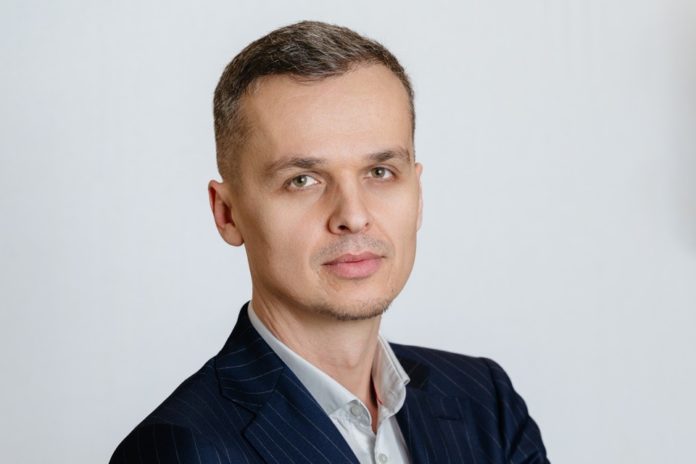
In this interview with The Diplomat-Bucharest, Marian Pavel, Country Manager of Rezolv Energy in Romania, discusses the company’s investment strategy and the milestones ahead for its major projects, including the VIFOR wind farm in Buzău, Dama Solar in Arad and the Dunărea East & West wind farm in Constanța. He also addresses the challenges of financing and integrating new renewable capacity, the growing importance of energy storage, and the evolution of Romania’s regulatory framework.
Looking towards 2030 and beyond, Pavel outlines why he believes Romania has the potential to become one of Europe’s leading renewable energy markets — and what will be needed to turn that potential into long-term energy security and sustainable economic growth.
Rezolv Energy has built one of the largest renewable energy portfolios in Romania. What is the strategic vision behind the company’s pipeline?
Our strategic vision is focused on delivering impact, with the aim of accelerating the momentum behind the energy transition in Romania and the broader region. That requires significant new renewable generation capacity, which is why we are building such large-scale wind and solar parks. It’s about making a meaningful contribution to reducing emissions and energy security for decades to come.
Our investment strategy also reflects a commitment to ensuring that energy transition extends beyond infrastructure to include skills development, economic opportunity and regional capacity-building.
On skills specifically, our Skills Academy programme in Romania is being delivered in partnership with RenewAcad, and has established the first renewable energy training centre in Buzău, close to our VIFOR wind farm. It provides internationally recognised Global Wind Organisation qualifications, alongside nationally accredited photovoltaic installer training, creating accessible pathways into employment in the clean energy sector. Initially, we provided 100 free training places, and then another 100. We are planning to scale this further to reach 300–500 participants this year.
What are the most important milestones you expect to achieve over the next 12 to 24 months?
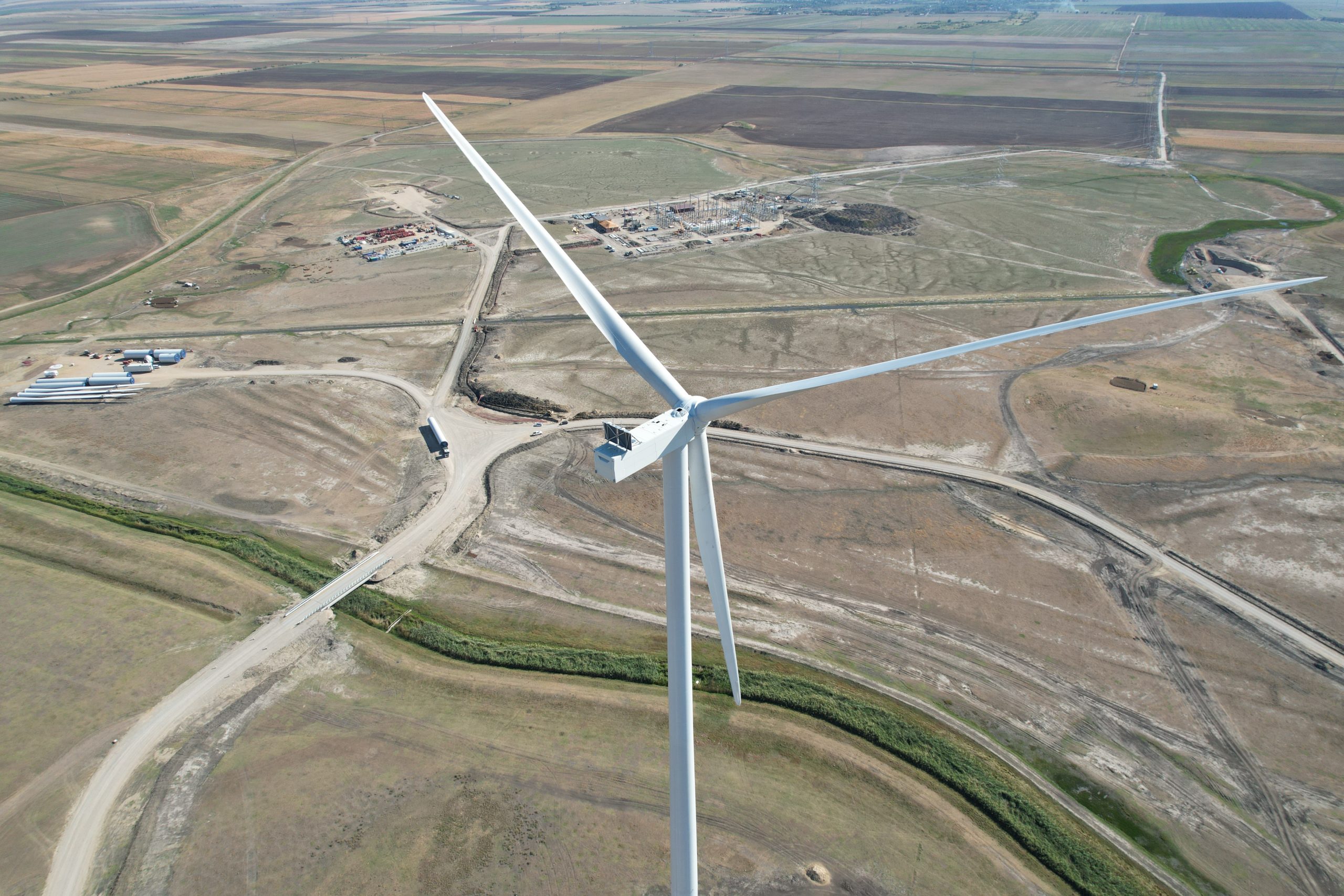
The first of our Romanian projects to come onstream will be the VIFOR wind farm in Buzău County. It is one of Europe’s major onshore wind projects, and Phase 1 – 30 high-capacity turbines, delivering 192 MW of capacity – will be commissioned this autumn. Phase 2 will bring VIFOR to its full installed capacity of 461 MW, and the construction phase is also progressing well. We will commission Phase 2 in the summer next year.
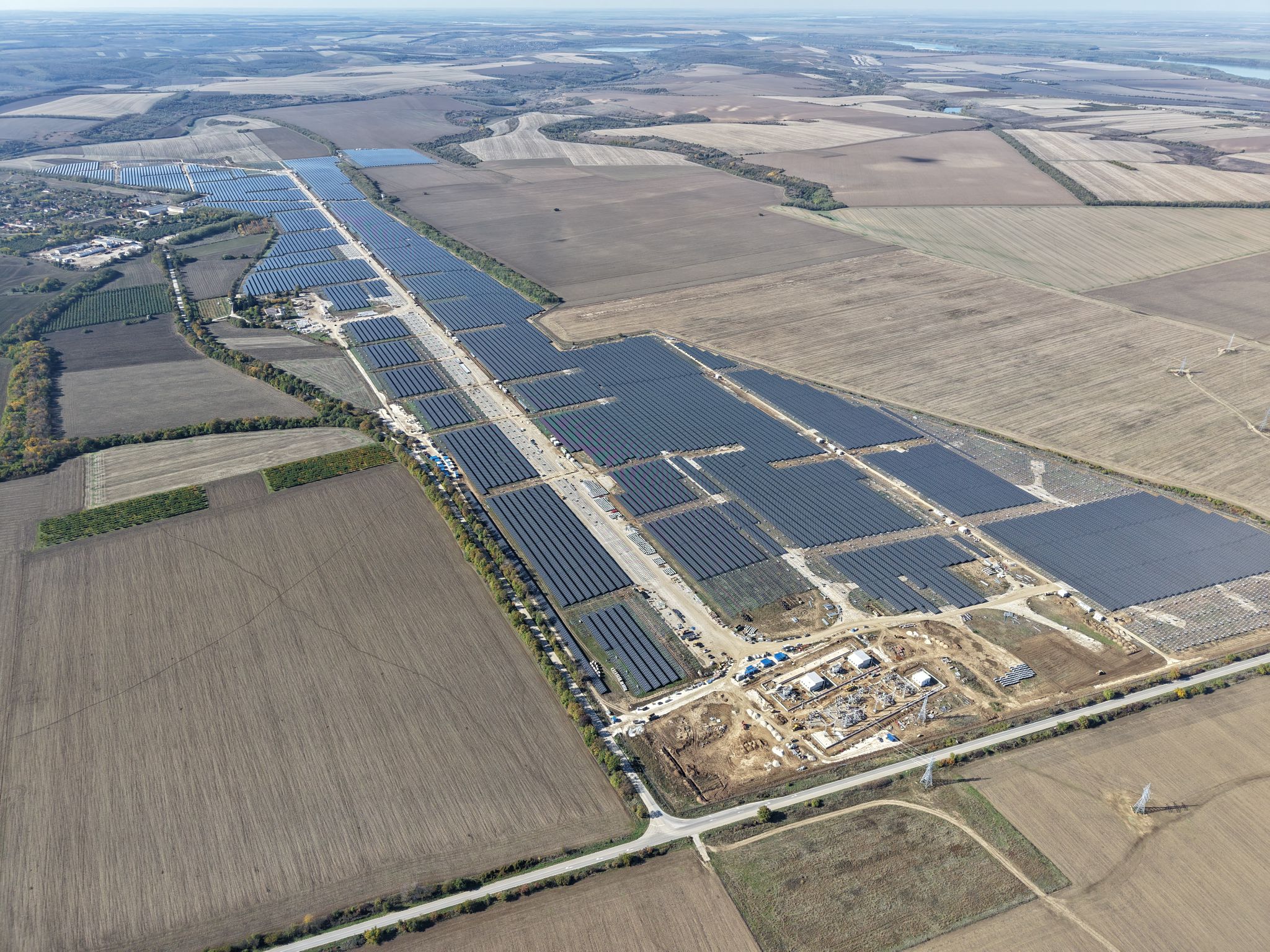
Our other top priority in the short-term is the Dama Solar project in Arad County, which is a landmark project for Romania’s renewable energy sector. As a result of technological advancements and design optimisation, its installed capacity will now reach 1.2 GW – which will make it the largest solar project in the European Union. As well as strengthening Romania’s energy security and contributing to its climate targets, Dama Solar will incorporate an 82-hectare nature reserve, one of the largest private-led nature restoration projects linked to a solar park in Southeastern Europe.
We are currently progressing through the financing and procurement processes required to deliver a project of this scale. We expect to reach financial close very soon, after which we will move directly into the construction phase later in the summer. Dama Solar is expected to enter commercial operations in 2028.
Our third project in Romania is the 600 MW Dunărea East & West wind farm in Constanța County, which is expected to reach financial close later this year. It is also scheduled to be operational in 2028.
Developing projects of this scale is a complex process. What have been the biggest challenges during development and permitting?
Delivering projects like this requires multiple elements to align – from permitting and grid connections to financing, procurement and long-term commercial arrangements. It’s a very complex process.
Financing is only one element, but it’s always a major factor for projects at this scale. For example, for the VIFOR wind farm, we secured a €622 million financing package in two tranches and complemented this with six cross-border virtual power purchase agreements with international corporate customers. These agreements provide long-term revenue certainty and were an important part of building confidence among our financing partners.
The corporate PPA market has been challenging across Europe in the last year or so due to the broader economic uncertainty, and this has affected the entire renewable energy sector. Against that backdrop, securing six PPAs in Romania, representing more than 350 GWh of clean power annually, is a significant achievement. We will also be announcing further PPA deals later this year.
All of this has helped us stay on track in terms of the construction timeline. Wind projects require longer development and construction timelines than solar parks. For example, our 225 MW St. George solar project in Bulgaria, which was commissioned in May, moved from the acquisition of development rights to full operational status in under three years – an exceptionally fast timeline for a project of that size. By comparison, Phase 1 of the VIFOR wind farm will be commissioned four years after Rezolv acquired the development rights, which is also a strong achievement for a wind farm like this.
What are the biggest obstacles to integrating large volumes of new renewable capacity into the national power system?
Romania has a very significant pipeline of renewable energy projects in development, with 80–100 GW currently authorised. Not all of these projects will reach the implementation stage, of course, and the challenge now is ensuring that grid capacity is allocated to projects that are genuinely ready to be built. It’s worth pointing out that this is not an exclusively Romanian problem – it’s a challenge every country is facing.
Romania’s regulatory framework is evolving rapidly to meet that challenge. The aim of the recent ANRE reforms on grid connections and licensing is to reduce speculative projects and ensure a more transparent and efficient use of the grid. These are the right objectives, and their impact will become clearer over time.
As more renewables come online, continued investment in grid infrastructure and flexibility solutions will also be essential.
How important will energy storage be for the next phase of renewable deployment in Romania?
Absolutely essential. As more wind and solar capacity is added, we need solutions that can manage the variability of generation and match supply with demand. Storage is one of the key tools that will allow renewable energy to be integrated at much larger scale.
We already have experience with this through St. George, our Bulgarian solar park. It includes a 90 MW/240 MWh battery energy storage system, supported through the NextGenerationEU programme.
Bulgaria has moved very quickly in developing large-scale storage, driven largely by government subsidies. Last year, it became the third-largest battery storage market in the EU, and registered by far the fastest growth rate in the EU.
Storage will also become increasingly important in Romania as more renewables capacity comes online, and Rezolv intends to play its part by integrating storage solutions across our Romanian portfolio. For example, our plan is for Dama Solar to include one of the largest battery storage systems in Romania, helping maximise the value of the asset and supporting a more flexible energy system.
How would you characterise the evolution of Romania’s renewable energy market over the past five years?
As has been the case across this region, the start of the war in Ukraine was a fundamental inflection point. The energy crisis following Russia’s invasion highlighted the importance of domestic renewable generation, and we have seen a rapid expansion of new capacity as a result – most of it solar. Solar’s contribution to Romania’s electricity mix stood at just over 3.5% at the start of 2022. Last year, that figure had reached almost 10%. This reflects both strong investor interest and the speed at which solar projects can be developed and deployed.
Wind has followed a different trajectory. It already represented 12% of Romania’s electricity generation prior to the war, but the fact that this number has not grown significantly since then simply reflects the longer time it takes to develop and build new wind farms. We are now approaching the next stage of wind growth, with a number of large-scale projects coming forward.
Romania’s Contracts for Difference (CfD) scheme is also going to have a significant impact on accelerating the growth of renewables in Romania. The three auctions awarded approximately 4.5 GW in CfDs and, mostly, they did not cover projects in their entirety – meaning that the CfD scheme will actually enable even more capacity to come onstream over the next couple of years.
What factors make Romania attractive for international renewable energy investors today?
Romania has all the fundamentals to be one of Europe’s leading renewable energy markets. It has excellent wind and solar resources, large areas of suitable land and significant potential to develop utility-scale projects that can make a meaningful contribution to the country’s energy transition.
For international investors, however, natural resources are only part of the picture. What matters just as much is a stable and predictable regulatory framework. Renewable energy projects are major, long-term investments. For example, Rezolv’s projects represent investments of around €2.3 billion, the majority of which will be made in Romania. As a result, investors need confidence that the policy environment will remain supportive over many years.
That is one of the reasons why Romania’s CfD scheme has been so important. Rezolv was the largest single beneficiary across the three auctions, securing almost 1 GW of CfD-backed capacity across our three Romanian projects. It demonstrated Romania’s commitment to attracting large-scale, long-term investment in renewable energy.
Despite the political turbulence we have seen at national level, there has been a consistent recognition of the strategic importance of renewable energy since 2022. That consistency is one of Romania’s greatest strengths as it continues to attract international investment.
Looking ahead to 2030, what do you expect Romania’s renewable energy mix to look like?
Romania’s renewable energy market is entering a new phase of maturity. We are seeing a natural selection process, with the projects that have been well developed, efficiently designed and built on strong commercial foundations moving into construction and operation.
Over the next few years, hundreds of megawatts of new renewable capacity will come online as this second wave of projects is delivered. Solar has led the way so far but, as I have said, I expect wind to accelerate significantly as large-scale projects enter operation. Romania currently has just over 3 GW of installed wind capacity, while the National Energy and Climate Plan targets 7.3 GW by 2030. Rezolv’s two wind projects alone will contribute more than 1 GW towards that ambition. I’m very proud of that.
But 2030 is not the end goal. The momentum we are building needs to continue well beyond 2030. On wind alone, Romania’s National Energy and Climate Plan envisages more than 21 GW of installed wind capacity by 2050. That will be a challenge, but it also underlines the scale of the opportunity ahead – and why the projects we are delivering today are laying the foundations for the country’s long-term energy future.