
Over 87% of Romanians have implemented, in recent months, measures to reduce energy consumption in their homes or businesses, and more than 60% are interested in investing in various energy-efficiency projects in the coming year in order to gain greater comfort and, above all, reduce their energy bills, according to sociological research conducted for the platform despre-energie.ro, a project of E.ON and Delgaz Grid.
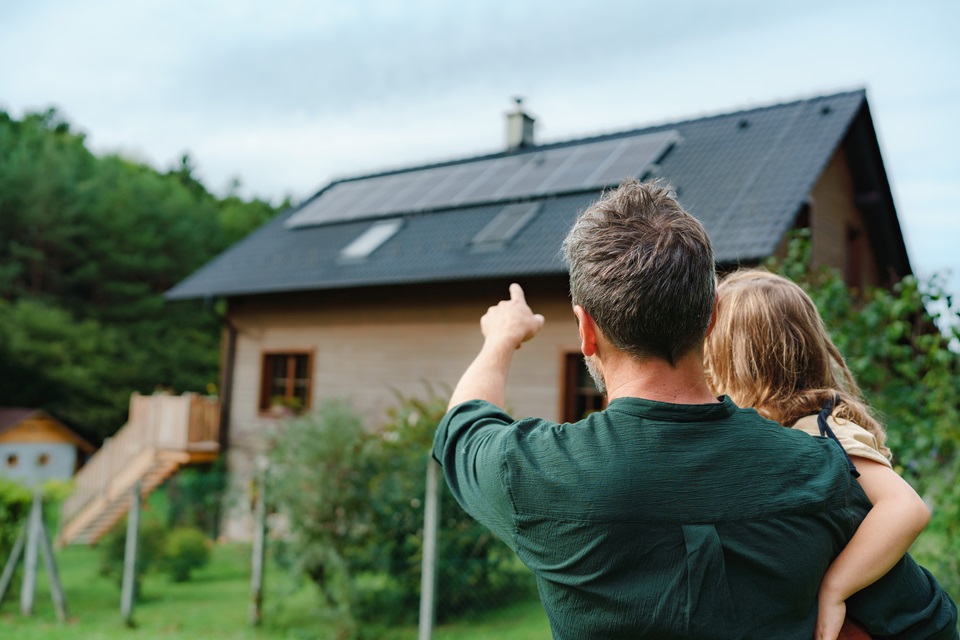
Around 70% of respondents say they have already taken simple measures, such as setting their heating systems to optimal levels, turning off lights in unoccupied rooms, or switching to LED lighting, which generates significant savings compared to incandescent bulbs or even fluorescent ones and also has a longer lifespan. A much smaller share—16%—consists of those who reported investing in the purchase and installation of photovoltaic panels, with or without storage batteries.
Regarding the financial resources needed to carry out future investments in home energy efficiency, more than 58% of Romanians say they will use their own savings, while 12% plan to take out bank loans. Nearly 30% of respondents hope to access government-funded programs, such as the “Casa Verde Fotovoltaice” scheme.
Replacing Household Appliances with Energy-Efficient Models, at the Top of Preferences
When asked about the number-one priority for making a home energy efficient, 43% of respondents believe that replacing old appliances with ones of higher energy classes is the best solution. Another roughly 20% indicated that thermal insulation of the home or replacing the heating system with a condensing boiler are the most advantageous measures for reducing energy consumption. A condensing boiler is more efficient than a conventional one, using up to 30% less gas, offering higher performance and a longer lifespan.
Lower Energy Bills
Savings on energy bills represent the main motivation for 75% of Romanians when it comes to energy-efficiency measures, while 13% mention improved comfort. Nearly 10% express environmental concerns and say that an energy-efficient home helps reduce pollution. Much fewer—around 2%—believe that such measures increase the value of their property.
Half of respondents estimate that after applying energy-efficiency measures, their bills could decrease by 20–40%, while a quarter expect a reduction of under 20%. The remaining quarter consists of optimists who believe their bills will fall by 40–60%.