
Romanian investors have acquired nearly 1.8 billion euros worth of commercial real estate assets in Romania between 2015 and today, accounting for one-fifth of all transactions during this period, a ninefold increase compared to the previous decade, according to Colliers data.
Otherwise, according to the most recent numbers, in the first half of 2025, the total real estate transaction volume in Romania slightly exceeded 400 million euros , just below the level recorded in the same period last year and in line with the post-pandemic semi-annual average.
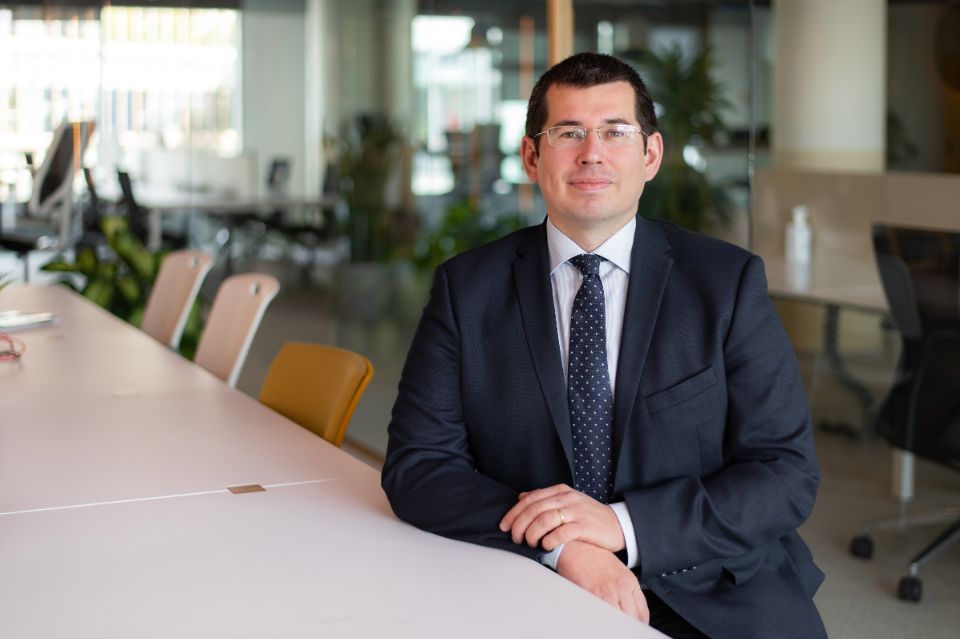
“The local real estate market is, to some extent, a reflection of the broader economy. The latters’ gradual development over the past decades has led to a growing number of local entrepreneurs looking to diversify their portfolios or reinvest surplus capital into other sectors, with real estate becoming a particularly attractive option. While foreign investors dominated the market between 2005 and 2014, over the last decade, Romanian investors have come to account for the largest individual share of total real estate transactions”, says Robert Miklo, Partner | Head of Capital Markets Romania at Colliers.
According to Colliers data, between 2005 and 2014, Romanian investors completed real estate transactions worth around €200 million, accounting for less than 4% of the total market during that period. However, over the past decade, domestic investors have significantly strengthened their presence, with transaction volumes nearing €1.8 billion between 2015 and today, representing around 20% of all deals closed in this period. Colliers tracks only transactions above €5 million, noting that many Romanian-led deals tend to be close to this threshold.
“When analyzing the profile of the most active domestic investors, a significant gap emerges between the market leader and the rest. The six largest transactions completed in the last decade by Romanian investors accounted for nearly half of the total volume by local capital. Still, it’s important to note that even without this source, Romanian investment volumes would have grown more than fourfold over the previous decade. This reflects the growing maturity of the Romanian real estate market and of the local economy, which continues to foster more and more local champions. Naturally, capital builds over time, through economic development and long-term consolidation”, adds Robert Miklo.
Office buildings have been the most attractive asset class for Romanian capital, accounting for two-thirds of the total investment volume over the past decade. Trailing far behind are retail properties (around 15% of the total) and hotels (7%).
According to the latest market data, commercial property transactions exceeded €400 million in the first half of 2025, marking a slight decrease from the €424 million recorded in the same period of 2024. The retail sector was the most active, generating over 40% of total transaction volume. In fact, the largest deal of the year so far also came from this sector: the sale of a retail park portfolio by MAS REI to UK-based fund M Core, estimated at around €57 million. With two additional shopping centre acquisitions, M Core emerged as the most active investor in the first half of the year, accounting for more than one-third of total market activity.
“While interest in the retail sector remains steady and the industrial segment continues to draw attention, despite a relatively limited supply, we’re also witnessing a notable resurgence in demand for office buildings. Two landmark transactions stand out: the sale of Equilibrium 1, developed by Skanska and acquired by Hungarian investor Granit Asset Management, and the acquisition of Victoria Center by Solida Capital, but also the acquisition of Ethos House by Romanian group Paval Holding. Both deals brought new names to the local investment landscape. At the same time, there’s a growing interest from other new players seeking to enter the Romanian real estate scene”, concludes Robert Miklo.
With a fairly busy pipeline of transactions, including several sizable deals, Colliers consultants estimate that the total investment volume could exceed €800–900 million by the end of the year, depending on how these deals progress. If these large transactions are finalized, 2025 has the potential to become one of the strongest years for investment activity in the past decades.