
Every year, the beginning of a new school year highlights the problem of selective waste collection, given that the educational units are important generators of packaging waste. Only 30 percent of students in Romania participated in programs (generally organized by various private entities or NGO platforms), in which they learned about the importance of selective collection and waste recycling, according to a Clean Recycle analysis.
Schools are public institutions that generate large amounts of waste every year, but their management infrastructure is deficient, the analysis also shows. Local authorities should provide schools with colored bins, for students and teachers to collect selectively.
The largest amounts of waste are generated by schools in large cities and most of them are household waste, cardboard and paper, plastic packaging, PETs or glass, according to the Clean Recycle data.
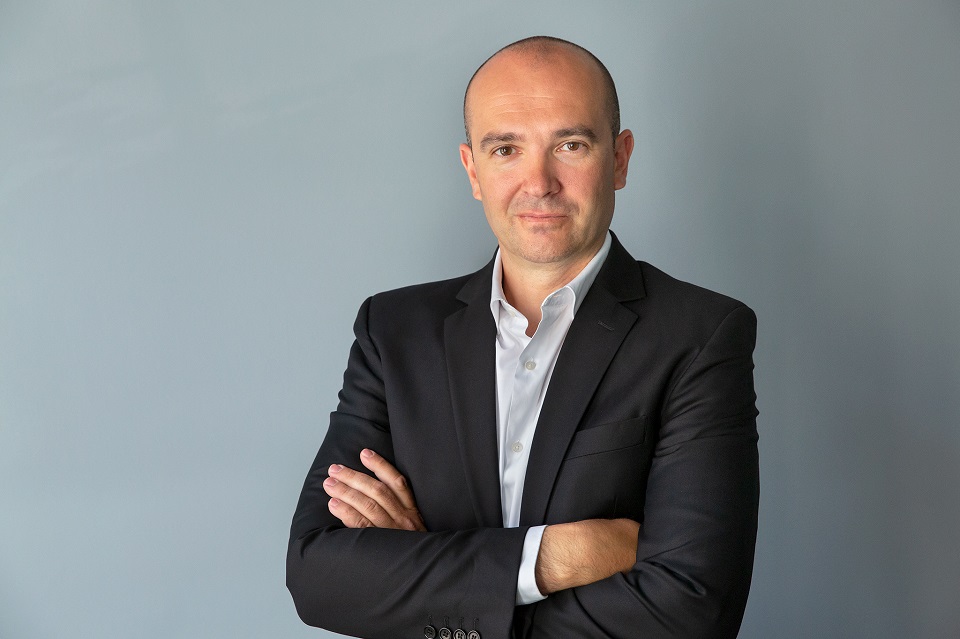
“Eco-responsible behavior starts during the first school years. Students must be guided and informed about the importance of protecting the environment, which also involves learning how to collect selectively and recycle the waste. This is a process that must become a normality and be part of our lives. The circular economy contributes to a sustainable economy and a better future for everyone”, says Cosmin Monda, founder and CEO of Clean Recycle.
As compared to 2007, when only 0.4 percent of municipal waste was recycled, the percentage reached over 11 percent in 2019. From 2025, however, the targets imposed by the European Union will be of 55 percent and Romania will also have to make more efforts in what regards the education of the population, in order to meet its environmental targets.
Paper and cardboard are the main packaging waste generated in Romania, followed by plastic, wood and metal. In terms of plastic recycling, Romania has made considerable progress regarding the utilization of this type of environmentally dangerous packaging. In 10 years, the amount of recycled plastic increased from 15 percent in 2008 to 43 percent in 2018.*
Clean Recycle is one of the top 5 players in the local OIREP market. Clean Recycle manages a portfolio of over 700 companies that produce and put on the market packaging waste, active throughout Romania, from fields such as FMCG and retail, agribusiness, automotive, distribution, industrial production, pharmaceuticals, etc.