
In a context marked by economic uncertainty, persistent cost pressures, and geopolitical volatility, companies are not cutting back on digital transformation investments — they are accelerating them. Chief Financial Officers (CFOs) are increasingly focusing on process standardization, digitalization, and automation to boost efficiency and strengthen organizational responsiveness, according to the “CFO 2026” study conducted by international management consultancy Horváth.
According to the study, the harmonization and standardization of financial processes represent the top strategic priority for 2026, cited by 87% of CFOs. In an environment characterized by high operational complexity and increasingly strict reporting requirements, fragmented processes limit both efficiency and control.
Standardization is seen as an essential prerequisite for digitalization, enabling better integration of technological solutions and consistent use of data in reporting, financial planning, and decision-making processes.
The study shows that 63% of CFOs consider digitalization and process automation to be the main drivers of efficiency in the finance function. At the same time, investments in digital transformation rank first among budget priorities, accounting for 29% of allocations, ahead of organizational transformation investments, which stand at 19%.
Technology plays a crucial role in reducing manual work, improving data accuracy, and shortening reporting cycles.
In parallel, CFOs are placing growing emphasis on advanced analytics capabilities, scenario simulations, and near real-time reporting — all essential for fast decision-making in an unpredictable economic environment.
According to the “CFO Study 2026”, the main obstacles to digital transformation include silo mentalities (lack of effective cross-department collaboration), insufficient change management, and resistance to investment. At the same time, the lack of digital skills remains one of the biggest challenges. Talent shortages are prompting CFOs to focus more on developing internal capabilities and working with specialized external partners.
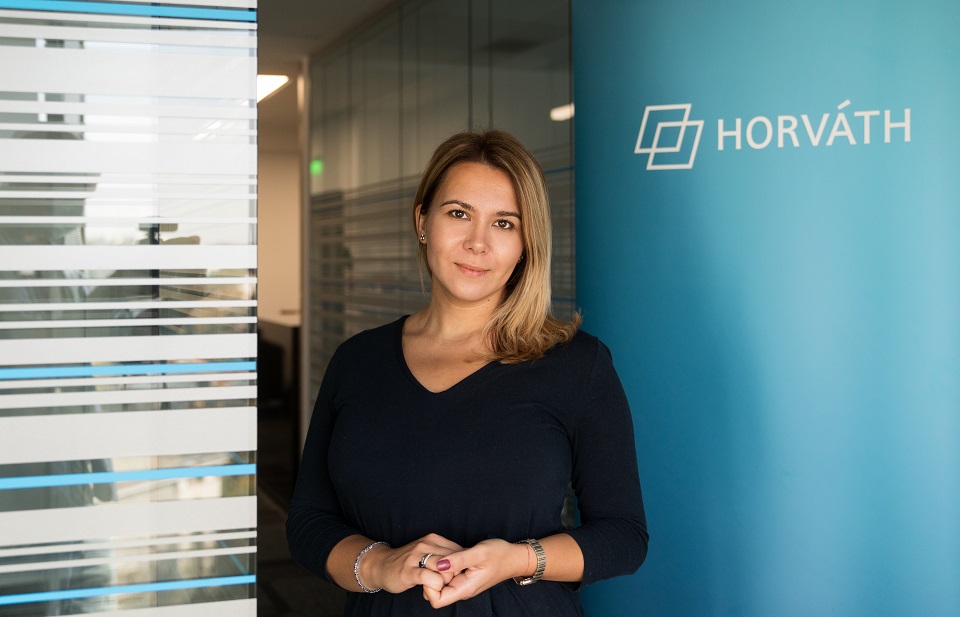
“Finance departments are at a turning point. Cost pressures and economic uncertainty are driving companies to accelerate standardization and digitalization processes, not postponing them. The CFO is playing an increasingly important role as an architect of transformation, making a vital contribution to efficiency growth and organizational resilience,” said Maria Boldor, Partner and Managing Director, Horváth Romania.
The Horváth study was conducted among more than 240 CFOs from 22 countries (including Romania), providing a detailed perspective on the priorities, challenges, and strategic directions that will shape the finance function in the coming years.