
The energy transition is reshaping the European power market, creating new opportunities while bringing increasingly complex challenges related to flexibility, storage, grid capacity and energy management. For Monsson, the past five years have marked a significant strategic transformation, moving beyond renewable energy project development towards an integrated business model that combines generation, battery storage, energy trading, proprietary technologies and digital infrastructure.
With a strong foundation in Romania and an expanding presence across European markets, the Group is positioning itself to address the next stage of the energy transition: making renewable energy more flexible, predictable and commercially sustainable. Projects such as Mireasa, which integrates wind, solar and battery storage, demonstrate the value of combining complementary technologies to maximise existing infrastructure and improve the efficiency of renewable assets.
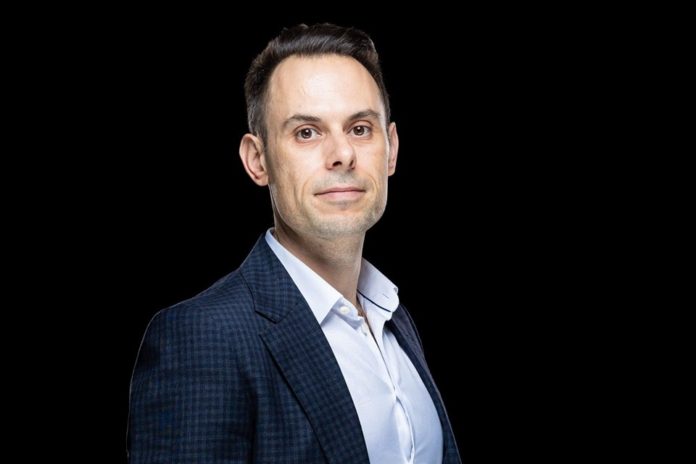
In this interview with The Diplomat-Bucharest, Andrei Muntmark, Deputy CEO of Monsson, discusses the Group’s strategic evolution, its investment priorities in battery storage and energy management, and the growing importance of flexibility in the European energy market. He also shares his perspective on Romania’s potential to become a regional energy hub, the role of digital infrastructure in the future energy ecosystem, and Monsson’s ambitions for 2030, with technology, international expansion and long-term value creation at the core of its strategy.
Looking back at Monsson’s evolution over the past five years, how would you describe the Group’s strategic transformation? What were the most important decisions that shaped its current position?
The past five years have been a period of significant transformation for the energy market and for Monsson. We have experienced exceptional price volatility, regulatory changes and rapid growth in renewable generation, all of which have reinforced the need for a more integrated and flexible approach to the energy business.
One of our most important strategic decisions was to expand beyond renewable energy project development and strengthen our capabilities across the entire energy value chain. We have invested in battery storage, proprietary energy management technologies, and digital infrastructure, while continuing to develop our operational expertise. This has allowed us to move towards a business model that combines energy generation, storage, asset management, and optimization, creating greater value from the infrastructure we develop and operate.
Throughout this transformation, we have remained focused on building long-term partnerships and retaining experienced professionals who understand both the technical and commercial aspects of the industry. Today, Monsson is an integrated energy infrastructure group, with a strong position in Romania and an expanding European presence, better equipped to respond to changing market conditions and capture new growth opportunities.
When you look at the next five years, where do you see the biggest growth opportunities for the group: energy trading, renewable generation, battery storage, energy management technology, or new markets?
The greatest opportunity comes from combining these activities rather than developing them separately.
Renewable generation will continue to grow, but as more wind and solar capacity enters the market, the ability to manage that energy becomes increasingly important. We need to be able to store energy, forecast production accurately, respond to market conditions, and deliver greater predictability to consumers.
This is where we see significant potential in battery storage, energy trading and our own energy management technologies. A good example of this integrated approach is our Mireasa project in Romania, which combines wind and solar generation with battery storage. The project was ranked the largest operating co-located wind (50 MW), solar (43 MW) and storage (120 MWh) project in Europe by Aurora Energy Research, in an analysis covering 20 European markets. This recognition reinforces our strategy of bringing together complementary technologies to improve flexibility, optimise energy production and create greater value from renewable assets.
We are also looking at opportunities in digital infrastructure, including data centres, where access to reliable energy and storage can become a competitive advantage.
How would you describe your leadership philosophy, and how has it evolved as the business has grown in scale and complexity?
A business is only as strong as the people behind it. Technology and investment are important, but ultimately, you need experienced people who understand the market, capable of making well-informed decisions and are willing to take responsibility for them. At the same time, growing in size needs more processes in place and clarity of information in the company, which obviously is a challenge.
At Monsson, we have always placed a lot of importance on retaining key employees and building long-term relationships with our partners. In an industry highly specialised as ours, the experience accumulated over many years is extremely valuable and difficult to replace.
As the business has grown, my role has naturally evolved. You cannot be involved in every decision, and you need to trust your team, empower employees with more responsibility and make sure they have the resources to do their jobs well. Leadership also requires being realistic about the market. We have been through periods when conditions were very favourable and other times when we had to make difficult decisions and adjust our strategy.
Battery storage is becoming increasingly important for the renewable energy industry. Do you see energy storage primarily as a new revenue stream, a risk-management tool, or a fundamental component of the future energy business model?
Battery storage is a fundamental part of the future energy business model. Of course, it creates new revenue opportunities and helps manage risks, but its importance goes much further.
One of the main challenges with renewable energy is that production does not always match consumption. We cannot control when the wind blows or when the sun shines, but we can improve how that energy is managed. Battery storage allows us to make better use of excess energy, reduce imbalances, and contribute to the stability of the electricity system, which in essence is managing risks much better.
Our renewable energy project in Constanța is a good example, by integrating wind and solar generation with battery storage together with our own energy management technology, we have increased the utilisation of the same grid connection, delivering more electricity through the existing infrastructure. This shows that investing in flexibility can be just as important as adding new generation capacity.
Romania has significant renewable energy potential but also faces infrastructure and regulatory challenges. What needs to change for Romania to become a more competitive regional energy hub?
Romania has strong potential for renewable energy development and has already demonstrated its ability to attract investment and deliver large-scale projects. The main challenge is ensuring that this growth is supported by adequate infrastructure and a predictable regulatory framework. Energy projects require substantial capital and long-term commitments, which makes regulatory stability essential for investor confidence. At the same time, faster grid development and better coordination between developers, network operators and authorities are needed to support the integration of new generation and storage capacity.
Greater attention must also be given to energy storage, system flexibility and the development of a qualified workforce. Expanding renewable generation alone is not enough without the infrastructure and technical expertise required to manage it efficiently. Romania has a real opportunity to strengthen its position as a regional energy hub, provided it creates the conditions to translate its renewable energy potential into reliable and competitive energy infrastructure.
What are the most important projects currently underway within the Monsson Group, and which of them represent the highest strategic priority for the business over the next 12–24 months?
We have several important projects across the group, but battery storage and the integration of different energy technologies are among our main priorities.
In Romania, we are continuing to develop our hybrid energy projects, combining wind and solar generation with battery storage. The Mireasa project is an important example of this approach, where we are also developing digital infrastructure alongside our energy assets.
Internationally, we have taken important steps in Northern Europe. Our Eskilstuna battery storage project in Sweden, with a capacity of 60 MWh, represents a significant milestone in our international expansion. We are also developing additional storage projects in Finland and other European markets.
Another important direction is our proprietary storage technology, including the warehouse-based battery solution, which we are continuing to develop alongside our technical partners. Future development focuses on digital infrastructure, connecting data centres with hybrid renewable energy projects to deliver reliable, clean and cost-competitive power while enabling sustainable growth and long-term value creation.
What are your main investment priorities for the coming years? Are you planning to accelerate investments in renewable energy, battery storage, energy trading infrastructure, or explore new business areas?
Our investment priorities reflect the direction in which the energy market is evolving, having a dynamic capital allocation. As renewable generation continues to grow in our portofolio, so does the need for storage, flexibility and advanced energy management solutions. Battery storage remains a key focus, both in terms of new capacity and the technologies required to operate it efficiently, as its commercial performance depends not only on technical capabilities but also on how effectively it is managed in the market.
We will also continue investing in trading infrastructure, forecasting systems and proprietary software to optimise increasingly complex portfolios and deliver greater value to our clients. At the same time, we are exploring the integration of data centres with renewable generation and storage, building on our existing infrastructure and expertise.
Our investment approach remains selective, guided by market conditions, regulatory stability, commercial potential and the strategic fit of each project within the group.
Looking ahead to 2027–2030, what are the key milestones you want Monsson to achieve? Do you see the next phase of growth coming primarily from Romania, international expansion, or new technologies and business models?
By 2030, our ambition is to strengthen Monsson’s position as an integrated energy infrastructure group, with a larger portfolio of operational assets, a stronger presence across European markets and a growing contribution from storage, trading and flexibility services. Romania will remain a strategic market, where we have built our expertise, developed proprietary technologies and established long-term partnerships. At the same time, our expansion into Sweden, Finland and other European markets will allow us to build on this experience, focusing on opportunities where we can develop a competitive and commercially sustainable business.
Technology will be central to this next phase of growth, particularly the integration of renewable generation, battery storage, energy trading and digital infrastructure. Our priority is not simply to increase the number of projects or installed capacity, but to turn these investments into reliable, commercially viable assets that generate long-term value. This approach will guide our international expansion and help us build a business capable of adapting to the evolving energy market.