
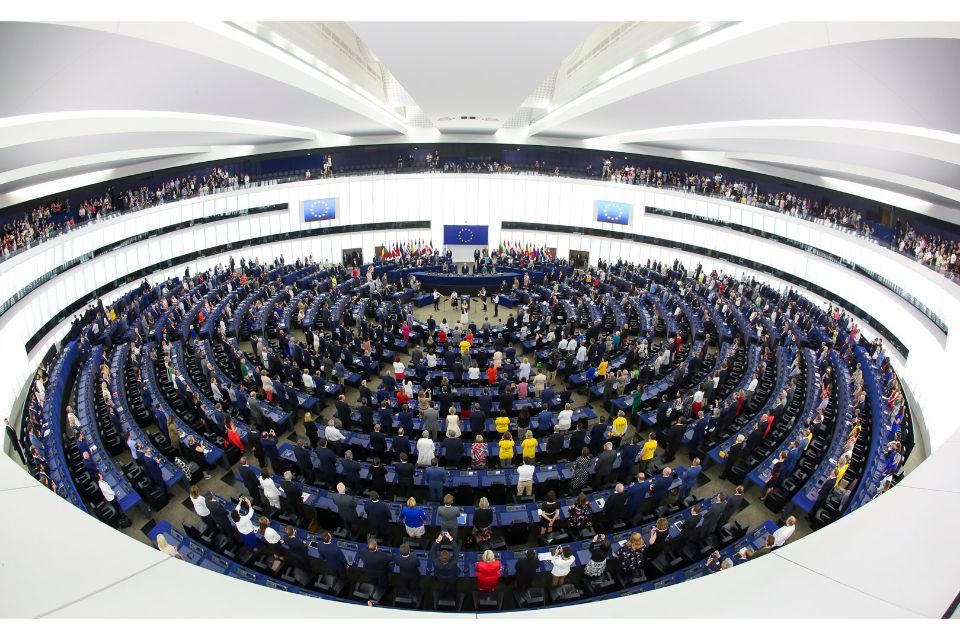
European Parliament adopted the upgraded Connecting Europe Facility programme and released new funds for transport, digital and energy projects for 2021-2027.
The upgraded Connecting Europe Facility (CEF) programme, agreed between Parliament and Council in March and worth €30 billion for 2021 to 2027, will fund transport, energy and digital projects with an EU added value. It will ensure that essential Trans-European projects, such as Rail Baltica, alternative fuels charging infrastructure and the roll out of 5G coverage to important transport axes are finished on schedule by 2030.
MEPs succeeded in earmarking 60 percent of CEF funds for projects that help achieve the EU’s climate objectives, while 15 percent of energy pillar funds will go to cross-border renewable energy projects.
The CEF is structured around three pillars, with around €23 billion going to transport projects, €5 billion for energy projects and €2 billion for digital projects. Around €10 billion allocated to cross-border transport projects will come from Cohesion Funds and will help EU countries complete previously-identified missing transport links. €1.4 billion will be designated to fast track the completion of major missing cross border railway projects, to be selected by the Commission on a competitiveness basis.
In the digital sector, CEF will support the development of projects of common interest such as safe and secure very high capacity digital networks and 5G systems, as well as the digitalisation of transport and energy networks.
The programme will also aim to make energy networks more interoperable and ensure that projects funded are in line with EU and national climate and energy plans.
The upgraded Connecting Europe Facility will enter into force once the new rules have been published in the EU Official Journal. They will apply retroactively as of 1 January 2021. Member states will have two years to prepare for the implementation of TEN-T streamlining rules.